
There’s a real appetite for sit-down card action that feels close to the felt of a proper club, and the arrival of new live poker tables has caught the eye of regulars who reckon the digital version has been missing a bit of soul. The scene is shifting, and anyone tracking the local market knows the difference between a polished product and a rushed rollout matters more than a flashy welcome screen. For those weighing up where to spend their time, a big candy casino review might point you toward operators actually investing in the live dealer space rather than just shuffling RNG cards behind a curtain.
The Setup Behind the Cards
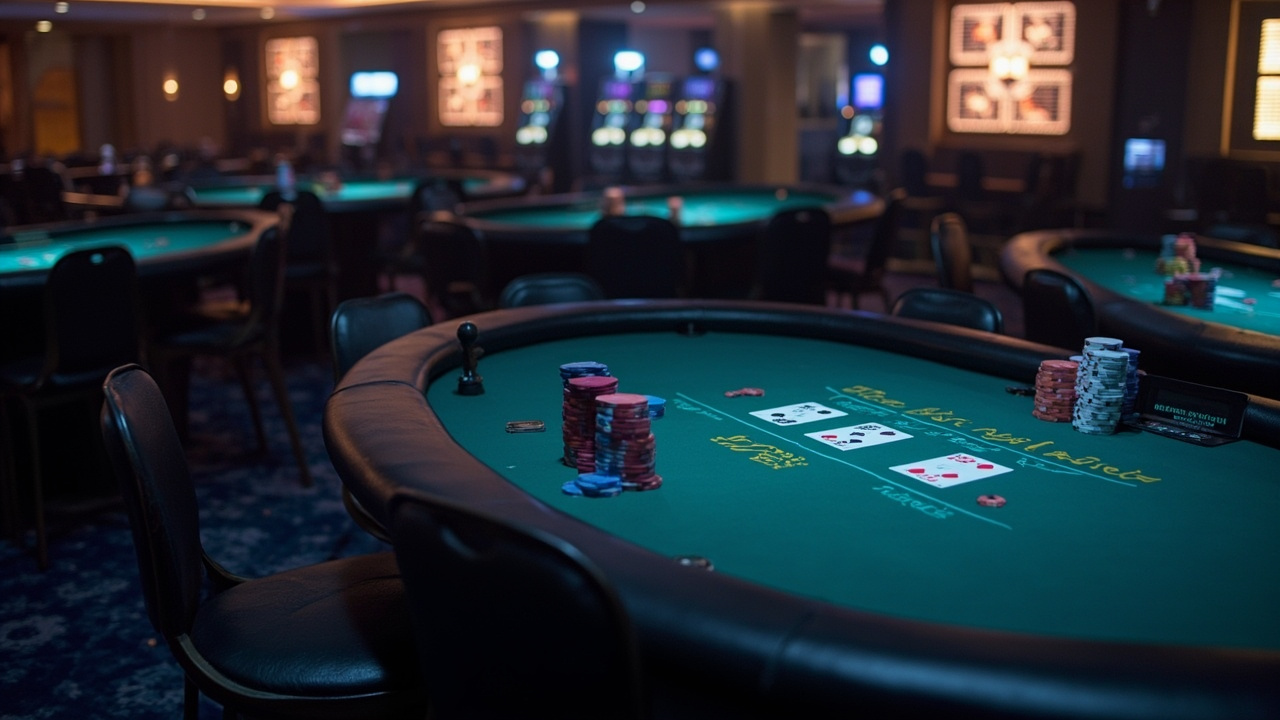
When you pull up a chair at one of these new live poker tables, the first thing you notice is the attempt to replicate the cadence of a real room without the smoke and the shouted bluffs. Operators are leaning on established providers to stream rounds with a dealer who actually handles the chips, and the pacing is set to suit an Australian evening rather than a frantic all-night grind. The games on offer tend to stick to the staples – Texas Hold’em and a couple of Omaha variants – because that’s what the regular crowd knows how to read without a tutorial. What separates a decent setup from a forgettable one is the consistency of the stream and the way the betting rounds are timed, because nobody wants to be staring at a loading icon while the turn card is waiting. a big candy casino review
The financial side needs to be straightforward if you’re going to trust the table with your bankroll. A solid operator will let you move between AUD and a couple of other major currencies without a hidden spread eating into your stack, and the registration process should be tight enough to keep things above board without feeling like you’re applying for a passport. Mobile play is where a lot of these products live or die, because half the room is going to be watching from the couch during the arvo session rather than sitting at a desk. Support has to be within reach when a hand goes sideways, and the best setups keep a live chat or phone line open during peak hours instead of leaving you wrestling with a ticket system at 11pm.
How It Stacks Up Against the Old Guard
There’s a reason the Aussie Millions at Crown Melbourne held the title of the Southern Hemisphere’s richest poker series for so long, and it’s because a proper tournament carries a weight that a screen can’t quite replicate. The blue chip, meaning high value, comes from the traditional highest-value blue poker chip, and that kind of hierarchy matters when you’re trying to gauge the seriousness of a room. New live poker tables are trying to bridge that gap by giving players a sense of stakes and structure, but the comparison only goes so far when you’re sitting at home in Brisbane with a coffee instead of a flight to the CBD.
The Hippodrome in London was converted into a landmark casino, and that kind of physical pedigree is what overseas markets lean on when they sell the live experience. Over there, the integration of live tables with broader casino floors is seamless because the regulation and the foot traffic are built around it, whereas we tackle it Down Under with a more fragmented approach across different operators. The US and European markets have had years to refine the dealer training and the camera angles, and you can spot the difference when a stream cuts to a close-up of the pot without losing the wider table view. Australian operators are catching up, but the gap shows when the software lags or the dealer misses a verbal call, because the expectation here is already set by those global standards.
Cooper Graham, Digital Acquisition Director, Banksia Betting Partners, reckons the local audience wants the social element without the travel, and that’s a fair call when you watch how quickly a session picks up once the first few hands are dealt. He notes that retention hinges on whether the live product feels like a genuine extension of the brand rather than a bolt-on feature, and that’s the kind of judgement call that separates the operators who stick around from the ones who fade out after a single promo cycle. The caveat is that the tech has to hold up under load, because a room full of players waiting on a delayed shuffle is a room that won’t come back for the next arvo session.
Who These Tables Actually Suit
If you’re the sort of player who likes to read a room and pick up on tells, new live poker tables are a decent fit because the human element is still in the loop, even if it’s filtered through a camera. They’re less ideal for someone who wants to multi-table aggressively or crank through hands at a machine-like pace, because the live format rewards patience and a bit of nerve. The casual player who wants a bit of structure without the pressure of a tournament buy-in will find the cash-game style rounds more comfortable, while the serious grinder might find the limits a bit light unless the operator has tuned the stakes to match the local market.
What to Watch Before You Sit
The bottom line is that the live poker space is still finding its footing here, and the operators who get the balance right between pace, transparency, and genuine dealer presence will be the ones worth your time. Check the currency options, test the mobile stream before you commit any real money, and make sure the support channel is actually manned when you need it. No worries if you want to dip a toe in and see how the cards fall, but treat it like any other session where the house has the edge and the stack you bring is the stack you’re willing to play with.