
How to Tell If Your Gambling Is Getting Out of Hand
Spotting the shift from casual entertainment to a real problem usually starts with small, repetitive behaviours that feel harmless until they stack up. You might notice you are chasing a bad session longer than planned, or that the spending limit you set on Friday has quietly disappeared by Sunday arvo. The trick is to catch the pattern early, before the numbers start owning you.
When the numbers start owning you

A proper review of your own behaviour is less about drama and more about tracking what actually happens over a fortnight. I have spent a decade designing payment flows where every tap has to be obvious, because if a user cannot see the total in a single glance, the interface has already failed them. Treat your gambling the same way: if you cannot state your total spend, your time on site, and your net result without checking three different screens, that is a warning light. The lobby might be packed tighter than a Melbourne tram on AFL Grand Final day, with slots, live tables, and a rotating mix of providers competing for attention, but a well-organised discovery layer should still let you find a specific game in a few seconds. If you are scrolling through the catalog for twenty minutes just to feel your way back into a session, you are not browsing – you are stalling.
A longshot or roughie might look tempting when the odds are stacked against it, but the expected chance stays low no matter how flashy the lobby presentation gets. The same logic applies to your habits: occasional losses are normal, but repeatedly reloading a deposit to recover a bad run is the behavioural tell that matters more than any single night. If you are pulling out your phone during a Hobart lunch break just to check odds or open a familiar slot, and it happens more than once a week, that is no longer a casual habit. The birdcage at the Melbourne Cup carnival is exclusive and carefully ticketed for a reason – access is meant to be intentional, not a default every weekend.
What the interface is really telling you
A casino lobby that is built for discovery will sort by provider, game type, and recent activity, with a search bar that actually narrows results instead of just throwing everything back at you. When the same handful of providers dominate the top of the screen and the rest are buried, that is design working as intended. When you find yourself opening the same three slots every session because they are the only ones you can find without effort, the problem is not the game mix – it is the loop you have built around it. I judge any sportsbook or casino interface by whether a first-time user can complete a clear transaction without hunting, because a cluttered flow hides the real cost of the action you are taking.
If you are spending more time managing bonuses than actually playing, pay attention to the mechanics. Wagering requirements that stretch across multiple deposits, game restrictions that quietly exclude your favourite table games, and expiry windows that force you to rush back all change the feel of a session from leisure to obligation. A good loyalty setup should recognise regular play without making you feel locked in, and support should be reachable when you need a hand, not only when something has gone wrong. If the mobile experience is solid but you still keep returning for the wrong reasons, the platform is not the issue – your relationship with it is.
Matching the signs to your own habits
The clearest way to work out whether you are drifting into trouble is to compare what you intended with what actually happened. Write down the session you planned – a set amount of time, a fixed spend, one game or a small handful – and then compare it to what you did. If the gap keeps widening, that is the signal. Some players can treat a roughie bet as a one-off thrill and move on; others find themselves rebuilding the same bet three times because the loss stings more than they expected. Neither reaction is unusual on its own, but the second one repeating across weeks is where the real risk sits. spinago login
If you are ever unsure whether your play has crossed from fun into something heavier, it is worth reading a short piece on what to know before playing scratch-style prizes, because the same impulse that pulls people toward a quick ticket can also pull them back into a slot session they did not plan. What to know before playing scratch-style prizes is useful precisely because it forces you to think about odds, cost, and the difference between a planned purchase and a reactive one. That same check applies to casino play: if you are logging in because you are bored, stressed, or trying to recover something from last time, you are no longer playing from a clear head.
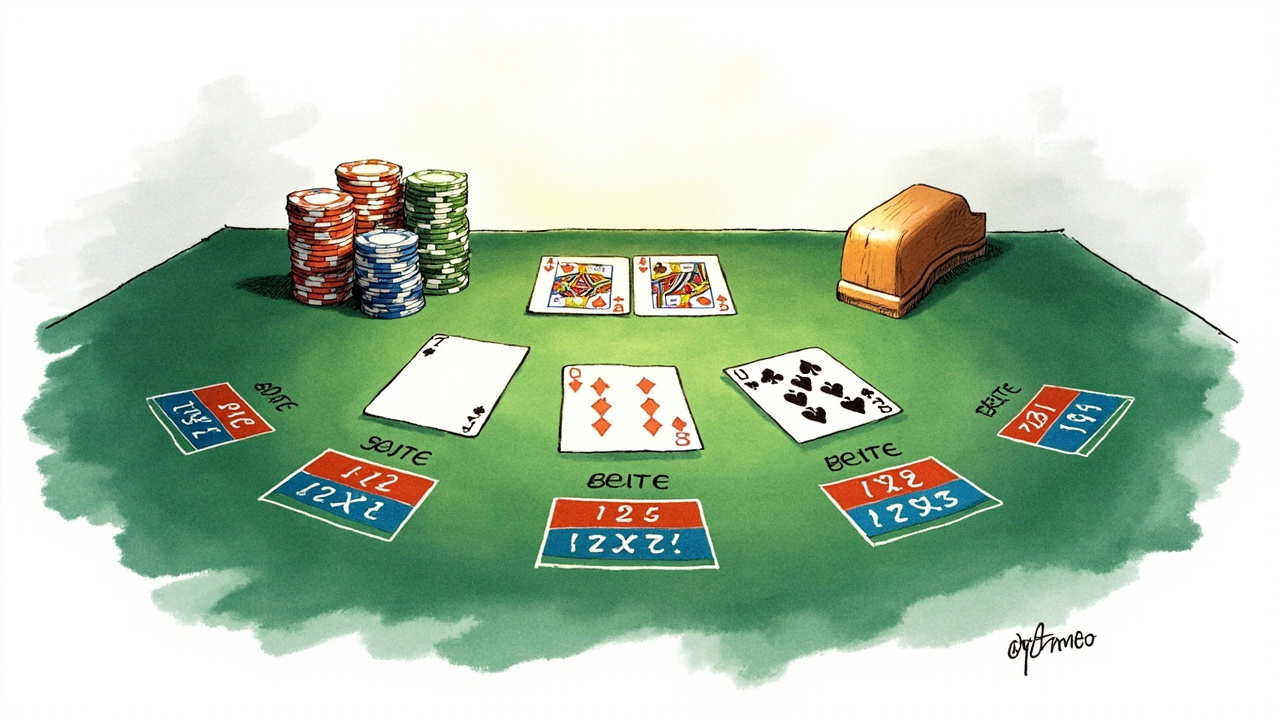
• Track your total spend across a fortnight, not just one session.
• Note how often you reload a deposit to chase a loss.
• Check whether you are opening the site out of habit rather than intention.
• Compare your planned session length with what actually happens.
• Ask whether you can walk away after a set result without reopening the app.
The clearest test is simple: if you can name your limit, stick to it most of the time, and stop without feeling restless, you are probably still in the safe zone. If the numbers keep slipping, the sessions keep stretching, and you are reaching for the site more often than you meant to, treat that as a signal to step back and reset before it gets heavier.