
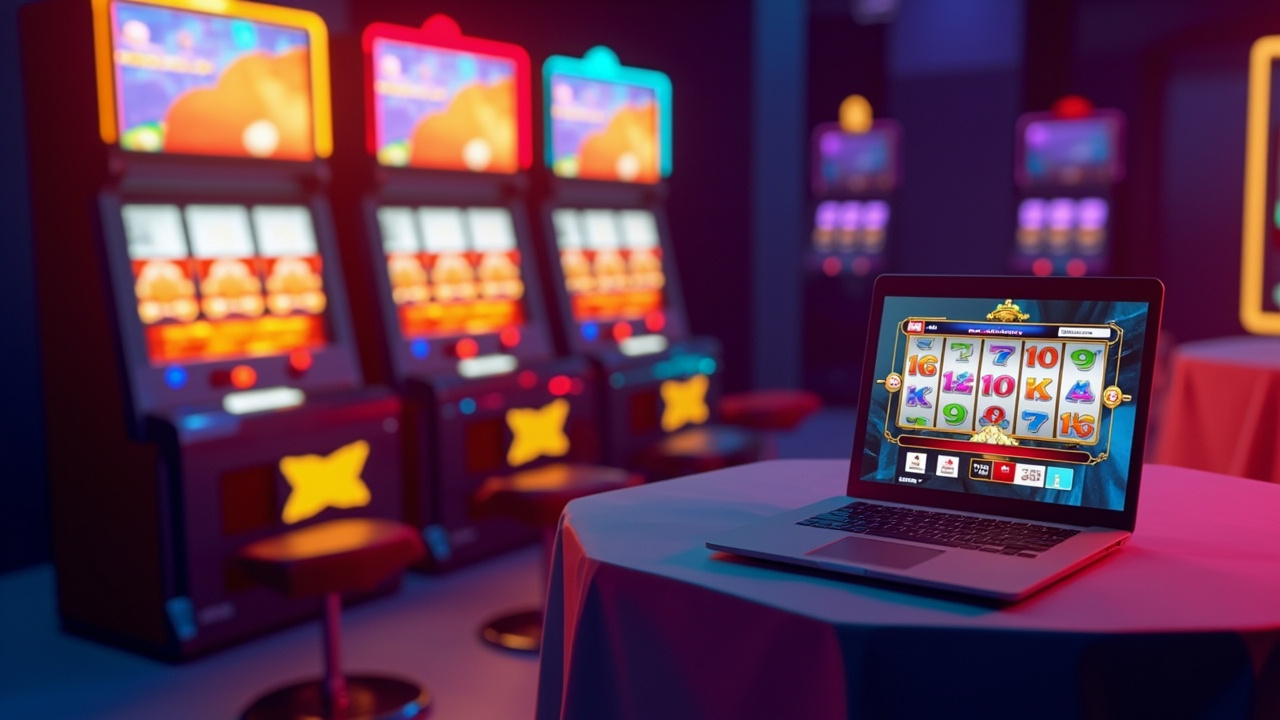
Finding a venue used to mean checking a map and hoping the room was open, but the path between pokies near me versus online pokies now runs through interface design, localisation, and everyday usability as much as the machines themselves. The shift matters because a player’s first impression is rarely the jackpot; it is how quickly a screen loads, how clearly the menu reads, and whether the language on the page matches the currency in their wallet. When we test the two formats side by side, the comparison is less about which option wins and more about which setup fits a specific session, a specific location, and a specific tolerance for friction.
The physical route still carries a tactile advantage for players who want to walk in, sit down, and read a printed paytable without scrolling. A venue in Wollongong can feel reassuring when the signage is legible, the aisles are clear, and the staff can answer a question about a bonus feature in plain English rather than a pop-up banner. The trade-off is that the same room can feel clunky if the screen brightness is poor, the chair is uncomfortable, or the location is a 20-minute drive when you only have an arvo to spare. For marketers, that means the physical experience is won or lost on operational details: queue management, machine placement, and the consistency of the local language on the signage. A venue that treats the floor as a product, not just a room full of cabinets, tends to keep return visits steady.
The digital route shifts the test from the floor to the browser and the app. A well-built online pokies session should open with a clear hierarchy, a readable balance display, and navigation that does not bury the most-used controls behind three taps. Localisation matters here in a way that is easy to overlook: if the interface defaults to a foreign currency, a player has to mentally convert every wager, which adds friction to a session that should feel relaxed. Search should surface the right category quickly, and the visual identity should be consistent across the lobby, the game screen, and the account page so the player never has to relearn the layout mid-session. When the screen is clean and the language is Australian by default, the experience feels closer to a local venue than a generic overseas portal. Players who want to compare that digital setup against a specific branded lobby can visit the local play page and see how a focused interface handles the same everyday tasks.
The practical verdict depends on how a player weighs convenience against control. Physical play offers a fixed location, a visible environment, and the chance to step away without closing a tab, but it also asks for travel time and a tolerance for venue noise and seating. Online play removes the commute and can be sharper on navigation and localisation, but it also asks the player to manage their own session boundaries on a device that is always within reach. Neither format is automatically the better choice; the stronger option is the one whose interface, language, and payment flow match the way the player actually wants to spend an evening.
One common misconception is that online pokies are automatically more convenient because they are always available, while the reality is more nuanced. Availability is only useful if the interface is readable, the currency is familiar, and the account flow does not create unnecessary friction before the first spin. A player who has to hunt for the right menu, convert a balance, or re-enter details on a small screen may find the digital option less convenient than a local room with clear signage and a straightforward layout. Convenience is not the same as availability, and the better experience is the one that reduces effort across the whole session, not just the first click.
That distinction matters because a player’s fit often comes down to how they handle small frictions, not big promises. Archie Gray, Managing Partner, Red Centre Analytics, has noted that session length tends to follow interface clarity more closely than it follows the type of machine, which is why a tidy menu and a familiar currency can matter as much as the game itself. James Patel, Digital Acquisition Director, Boomerang Gaming Insights, has pointed out that localisation is a retention detail, not a cosmetic one, because players who see their own language and currency from the start are less likely to abandon the session before it settles. Jack Hill, Product Analytics Lead, Boomerang Gaming Insights, has also observed that search and category structure often predict whether a new visitor stays long enough to understand a bonus mechanic, which is why a cluttered lobby can undercut an otherwise solid product.
For players weighing pokies near me versus online pokies, the useful question is less about which format is universally stronger and more about which one matches the way they play. If the priority is a fixed place, visible surroundings, and a short walk from home, a local room in or around Wollongong can be the better fit, especially when the floor is well signed and the machines are easy to read. If the priority is speed, a familiar interface, and a lobby that behaves consistently on mobile, the online option can feel more aligned with a casual session. The choice holds up best when it is based on everyday usability rather than on the idea that one format is automatically more suitable for everyone. Free Pokies And Real Money Play
A related angle on how real-money play and free-play comparisons fit into the same decision can be found in this piece on free pokies and real money play for Australian casino users.